If your light bulbs keep burning out, there could be a number of different reasons why. From incompatible bulbs and overheating fixtures to loose electrical connections, voltage problems, and excessive vibration, all of these issues can cause bulbs to fail much sooner than expected.
Having to replace the same bulb over and over again can be frustrating, especially when you can’t figure out what’s causing the problem. The good news is that not every case of premature bulb failure requires an expensive electrical repair.
At New London Electric, we’ve been helping homeowners throughout Southern Chester County and Northern Delaware solve electrical problems for decades. So, if you’re tired of constantly replacing light bulbs, here’s everything you need to know.
Why Do My Light Bulbs Keep Burning Out?
If you’re wondering why your light bulbs keep burning out, the answer often depends on where the problem is happening. Bulbs failing in one fixture may point to a different issue than bulbs burning out in several rooms.
Here are five of the most common causes.
1. You’re Using the Wrong Type of Light Bulb
Not every light bulb works with every type of fixture. For example, using a bulb that exceeds the fixture’s maximum wattage rating can generate a ton of extra heat that has the potential to damage both the bulb and the fixture itself.
Compatibility can also be a problem with LED bulbs, as some LEDs simply aren’t designed for use with enclosed fixtures or dimmer switches, leading to flickering, inconsistent brightness, and premature failure.
Fortunately, this is often an easy problem to address. Check your fixture’s wattage rating and make sure you’re using a compatible bulb. If you have a dimmer switch, confirm that your LED bulbs are designed to work with it.
2. Your Light Fixture Is Overheating
Excess heat is another common issue that can cause your light bulbs to burn out prematurely. All light bulbs produce some heat during operation, but excessive temperatures can shorten their lifespan considerably.
This is a particularly common problem with enclosed ceiling fixtures and recessed lighting that doesn’t get enough ventilation to allow all that excess heat to escape. This tends to be more of a problem with LED bulbs which are especially sensitive and vulnerable to damage from excess heat.
If your bulbs keep burning out faster than they should, you should check for signs of overheating like discoloration, melted components, or burning smells. If you notice any of these warning signs, stop using the fixture and contact an electrician as soon as possible.
3. Loose or Damaged Electrical Connections
Loose electrical connections can also cause light bulbs to keep burning out sooner than they should. When a connection inside a socket, fixture, or the connecting wiring gets too loose, it can lead to inconsistent electrical flow that causes flickering, electrical arcing, and premature burning out.
This is particularly likely to be the problem if the bulbs repeatedly fail in the same fixture, regardless of which brand or type you install.
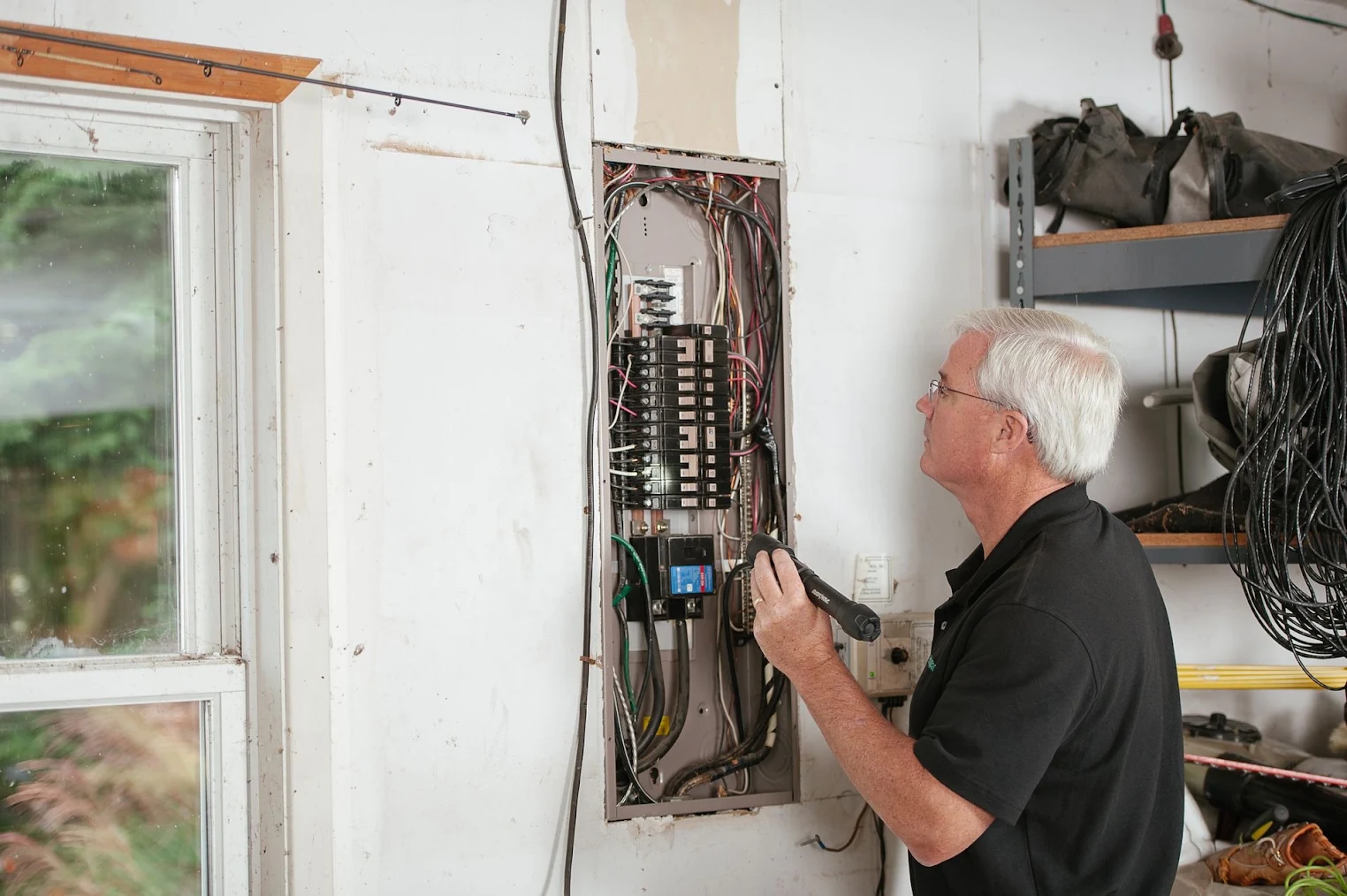
Unfortunately, these problems aren’t always easy to identify without professional equipment, but we offer professional home electrical repairs to help you address these types of problems safely and efficiently.
4. Voltage Problems in Your Electrical System
Your home’s electrical system is designed to supply electricity within a normal voltage range. However, when voltage is consistently higher than a bulb is rated to handle, it will almost certainly cause the light bulb to burn out early.
If you notice bulbs burning out in multiple rooms, lights becoming unusually bright, or brightness changing unexpectedly, it’s probably a house-wide voltage issue that’s to blame.
5. Excessive Vibration or Movement
Vibration might not be the first thing you think of when a light bulb burns out, but it can actually make a difference, especially with traditional incandescent bulbs.
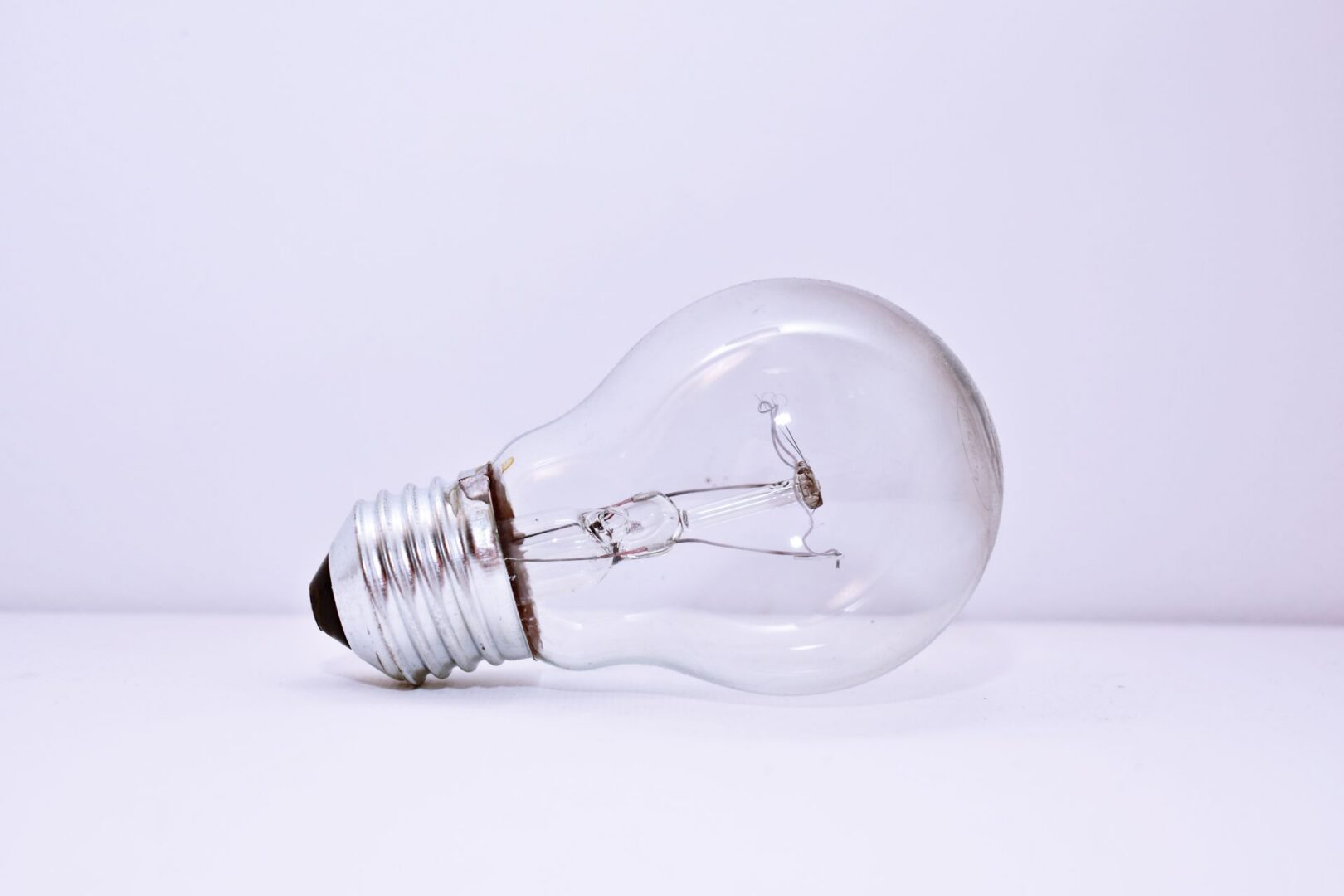
Incandescent bulbs contain delicate filaments that can break when exposed to repeated movement. This makes fixtures attached to ceiling fans, garage door openers, or areas near frequently used doors more susceptible to premature bulb failure.
That being said, LED bulbs tend to handle vibration much better because they don’t rely on the same fragile filaments. This means that switching from incandescent to LED may be all you need to do to solve the problem. But if the problem persists or you already have LEDs installed, it’s best to seek out a professional inspection.
When Should You Call an Electrician About Burned-Out Bulbs?
An occasional burned-out bulb is completely normal. But if you’re constantly replacing bulbs in the same fixture, or you’re noticing problems throughout your home, it’s probably time to have an electrician take a closer look.
Flickering lights, buzzing sounds, damaged sockets, burning odors, and unusual brightness changes are all signs that something is faulty, and that you should call a professional electrician to fix the issue.
At New London Electric, we can inspect your fixtures, test electrical connections, check voltage levels, and identify any wiring problems that might be causing your premature burnout issues. Then, regardless of whether it’s a simple fix or more extensive electrical work, we’ll help you understand exactly what’s happening and how we can fix it.
Contact New London Electric Today
Are you tired of replacing the same light bulbs over and over again? Give us a call.
Our team of experienced electricians has been helping homeowners throughout Southern Chester County and Northern Delaware since 1994. We can help you get to the bottom of your lighting problems and determine whether your fixtures or electrical system need repairs.
We also offer free project estimates and will work with you to find a convenient time to schedule your service.