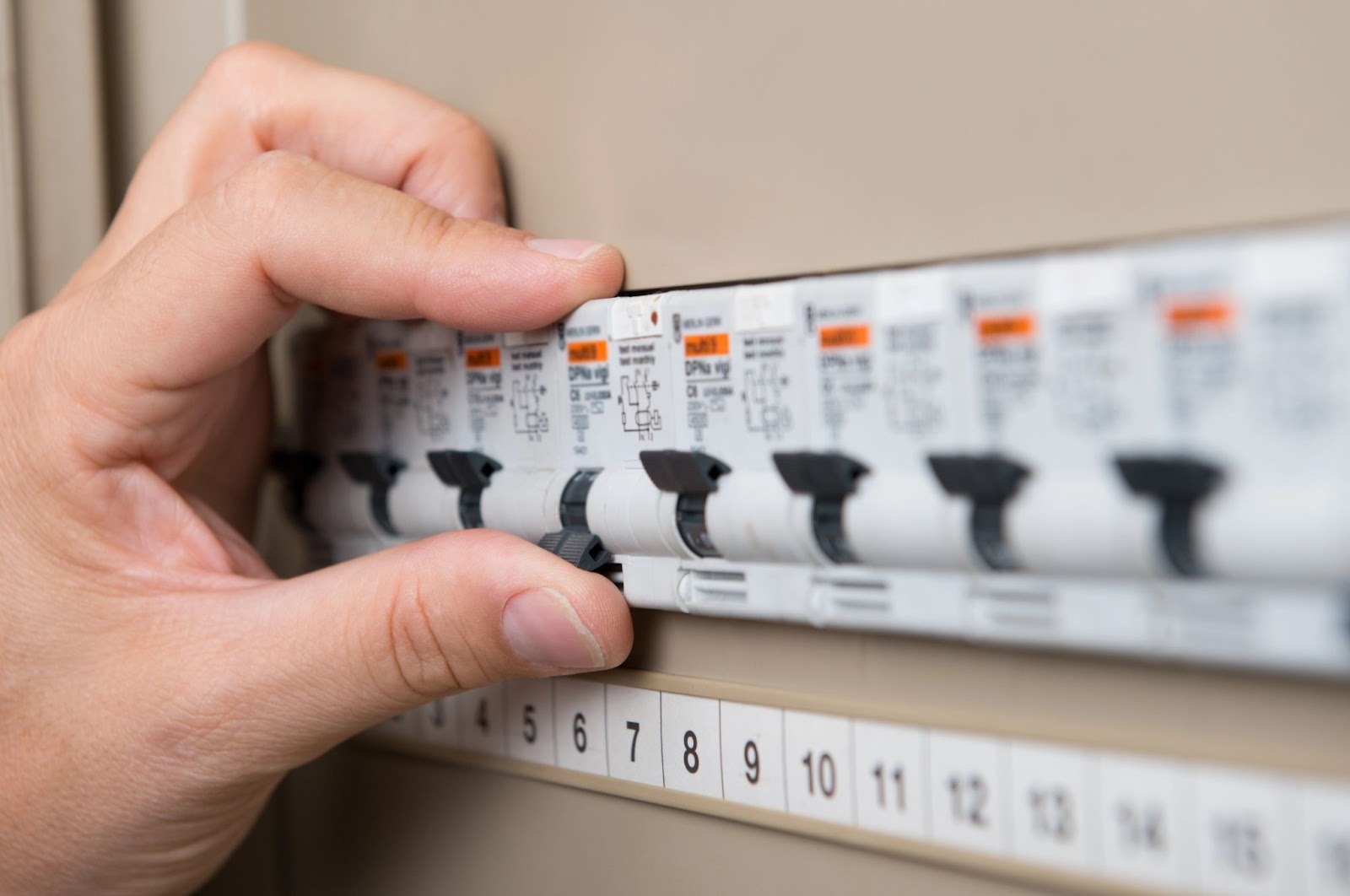
Circuit breaker trips are incredibly common, and while you may think that they’re just temporary issues, random events, or flukes, in reality, they are almost always a sign that something is wrong.
Circuit breakers are a crucial safety feature meant to protect both you and your home. When they trip, and your home loses power, it’s not just doing it to inconvenience you. Whether it’s faulty wiring, abnormal current flow, or any other unsafe electrical problem, the only reason your breaker will trip is to prevent damage and reduce the risk of electrical fires.
The good news is that if your circuit breaker keeps tripping, it’s doing exactly what it’s supposed to be doing. The real problem is figuring out what the actual issue is so that you can fix it.
If you’re having circuit breaker problems and aren’t sure what to do about it, we’re here to help. Here is everything you need to know about circuit breakers, why they trip, and what you can do about it.
What Does a Circuit Breaker Do?
A lot of the confusion surrounding circuit breakers has to do with how they are often viewed. Not everyone has the knowledge of a professional electrician, and it’s no wonder that so many people often view their circuit breakers as glorified on/off switches for their home’s power. In reality, this is an oversimplification.
A circuit breaker’s main purpose is to keep your home safe by continuously monitoring electrical current as it travels through the many circuits in your home.
Each of these circuits is only able to handle a certain amount of current safely, and if the current exceeds these safe levels, it could lead to wire damage, overheating, and even electrical fires.
This is where the circuit breaker comes in. By using its internal thermal and magnetic safety mechanisms, a circuit breaker can cut power to a particular circuit within milliseconds of detecting the abnormality, preventing any expensive damage and life-threatening accidents from happening before they have the chance to start.
Signs Your Circuit Breaker Has Tripped
Before we get into the most common causes of circuit breaker trips, it’s important that you are able to recognize the signs that your circuit breaker has tripped in the first place.
Easily the most common sign of a circuit breaker trip is also the most obvious. When your circuit breaker trips, it will cut power to either a section of, or in some cases, the entirety of your home. Lights will switch off, appliances will shut down, and anything that uses electricity and is connected to the tripped circuit will be unusable until you restore the power.
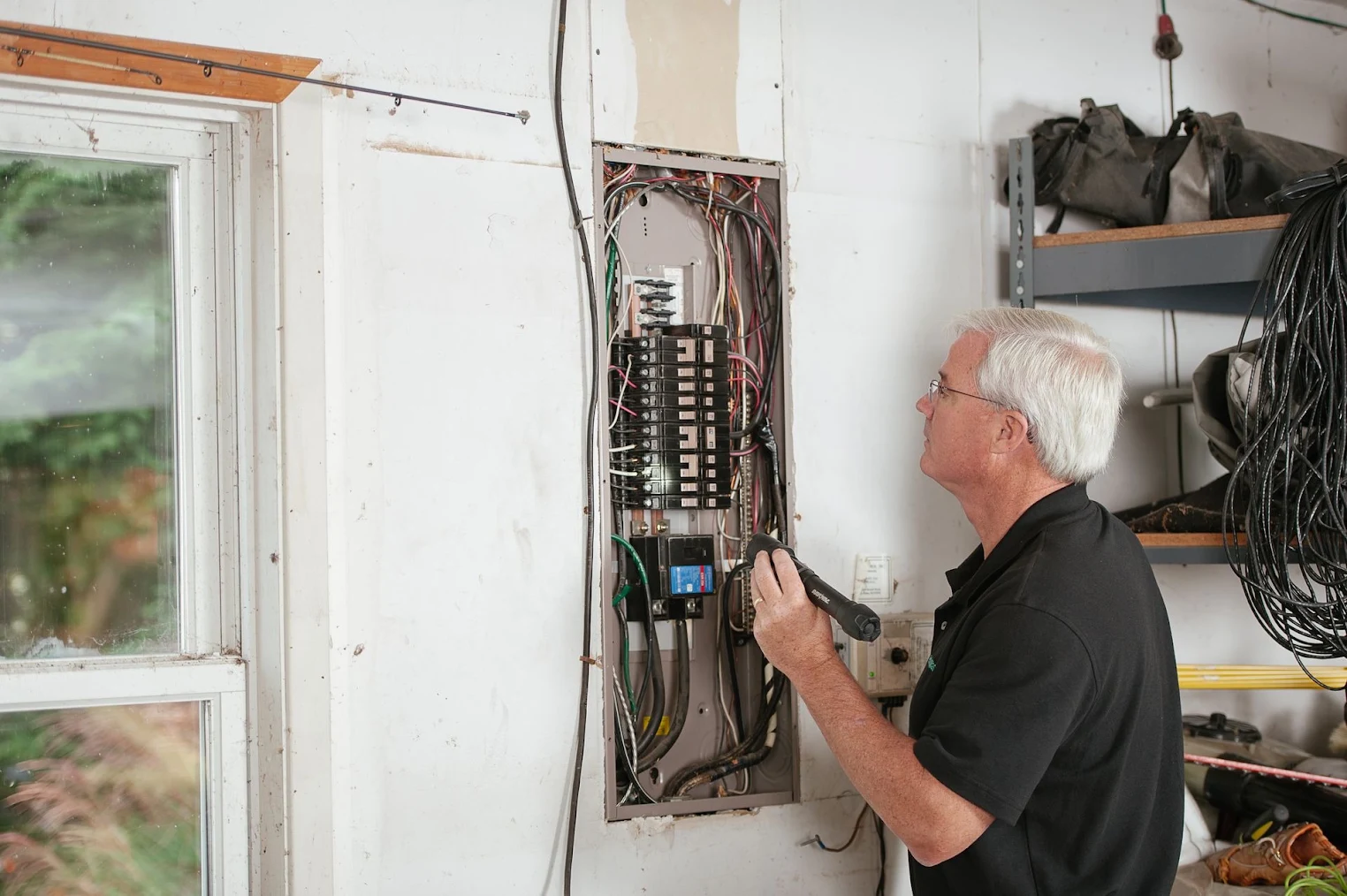
Another less obvious sign of a circuit breaker trip is the position of the breaker itself. Tripped breakers often sit in between the on and off positions, which can be hard to spot if you aren’t looking closely. You may also hear a soft click sound from the panel at the moment your breaker trips.
Typically, losing power will make you notice that something is wrong right away, and if it’s only to one part of your home and power is still on for your neighbors, it is almost certainly a circuit breaker trip that’s to blame.
The 3 Most Common Causes of Circuit Breaker Tripping
Your home’s electrical systems are incredibly complex, and there’s no shortage of potential reasons why your circuit breaker keeps tripping.
However, the vast majority of circuit breaker problems tend to fall into three categories, including overloaded circuits, short circuits, and ground faults.
Each of these common electrical issues is a symptom of a different problem, and knowing a bit more about each one can put you in a much better position to respond safely and effectively. So, if your circuit breaker keeps tripping and you don’t know why, here are the most likely causes and what you should do about each one.
- Overloaded Circuit
The first of the most common reasons that a circuit breaker will trip is an overloaded circuit. This happens when too many devices or appliances draw electricity from the same circuit at the same time.
Every circuit has a maximum amperage that it can handle safely, and if your appliances pass this limit, it will cause the circuit breaker to trip and cut off power to that circuit in order to avoid damage.
This type of circuit breaker trip is so common because the demand for power in modern homes has been steadily increasing for decades. New appliances, more TVs and computers, and constantly running HVAC systems all increase the power draw on a home and its breaker, and if the circuit breaker and the circuits connected to it are more than a decade or so old, there’s a good chance they simply won’t be able to keep up with this increased power draw.
The Solution: An easy way to fix this is to simply unplug specific appliances when you aren’t using them. However, this is only a temporary solution, and if you want to use all your modern amenities without the constant trips, the only thing you can do is call a professional electrician and invest in a panel or wiring upgrade.
- Short Circuit
Another one of the most common causes of constant circuit breaker tripping is short circuits. These occur when a wire that’s carrying current makes contact with a neutral wire, creating a sudden and intense power surge that far exceeds the circuit’s safety limits.
Short circuits can be extremely dangerous because this sudden increase in electrical current also creates an extremely high level of heat that can cause an electrical fire almost instantly. If your breaker trip is accompanied by any sort of popping sounds, burning smells, sparks, scorch marks around outlets, or brief flashes of light, it’s most likely a short circuit that caused the problem.
Issues with short circuiting usually occur in older homes with outdated electrical systems and wiring. Wire insulation can break down over time, and even a tiny amount of frayed wiring is enough to make this a serious problem.
The Solution: In this case, you should call a professional electrician immediately, as short circuits are one of the most severe, dangerous, and potentially costly causes of circuit breaker trips, and the only way to fix the issue is to go behind the wall and replace the old, damaged wires with new ones.
- Ground Fault
The last of the most common causes of circuit breaker trips are ground faults, and just like short circuits, these ground faults can be incredibly dangerous as well. They happen when a live wire comes in contact with a grounding path instead of the intended wiring, causing that current to travel through metal surfaces, liquid water, or any other conductor that the electricity can reach.
The good news is that many modern homes already have safety measures to prevent this from happening. In fact, the National Electrical Code (NEC) already requires GFCI outlets in moisture-prone areas of the home, as these areas are the most vulnerable to ground faults
However, even if you have GFCI outlets in all the necessary locations, that doesn’t mean your home is immune to ground faults. Whether it’s moisture intrusion, bad insulation, or loose wiring, there are a number of other reasons that breaker trips for ground faults can happen elsewhere in your home.
The Solution: The best way to deal with this is to contact a professional electrician, as they will be able to find the root cause of the problem and provide the necessary home electrical repairs to fix it without you having to risk getting electrocuted to do it yourself.
4 Less Common Reasons Your Breaker Keeps Tripping
In addition to the three most common causes of breaker trips, there are still plenty of other, less common issues that can lead your circuit breaker to trip continuously.
Here is what you need to know:
- Aging or Faulty Breaker
Circuit breakers don’t last forever, and eventually, everyday wear and tear will start causing problems. Aging breakers often shut off power when electrical demand is low and often trip much more often than they should.
There are plenty of signs that point to this, but in general, if your breaker is more than 20 years old and there aren’t any signs pointing to some other obvious problem, an outdated breaker is most likely the issue. A professional electrician can help you replace the breaker and get your home’s power back on track.
- Faulty Appliances
Faulty appliances can also cause frequent breaker trips, especially as their internal components age and break down. Unfortunately, this is one of the hardest issues to catch, because you’ll need to unplug and restart all of your appliances to figure out which one is causing the problem.
Still, the good news is that fixing this problem is as simple as repairing or upgrading the faulty appliance. This is another job for a professional electrician.
- Environmental and Hidden Issues
Environmental factors like moisture buildup inside electrical boxes and rodent damage can also lead to frequent tripping. Even seasonal temperature changes can take their toll on older electrical components, which is just one of the many reasons why scheduling routine electrical system inspections with a professional is so important.
- Advanced Trip Types
More advanced trip types, like arc faults, can also cause breaker trips in homes with modern AFCI breakers. Arc faults happen when electricity jumps from one damaged wire to another, and are one of the most common causes of electrical fires, so if your breaker is tripping due to arc faults, you should contact a professional electrician immediately.
How Can You Prevent Circuit Breaker Tripping at Home?
The best way to deal with frequent breaker trips is to take measures to prevent them from happening in the first place, and there are plenty of ways you can do this.
A good start is to label your circuits so that you can instantly identify problem circuits when a trip occurs. Along the same line, using dedicated circuits for specific high-draw appliances can also help reduce the electrical load on specific circuits, in turn, preventing unnecessary trips.
You should also make sure that you have GFCI outlets and AFCI protections where required. These requirements exist for a reason, and if you ignore them, you are only making your home more dangerous and more prone to circuit breaker trips.
Some more simple and easy circuit breaker safety tips include avoiding the use of too many power strips or daisy-chaining extension cords. These practices, though common, are a great way to overload circuits, and avoiding them is essential for electrical overload prevention.
Lastly, always remember to schedule regular electrical inspections with a professional. This way, you can catch problems and safety hazards early and repair any issues before they have the chance to become more costly and dangerous.

Contact New London Electric Today
When it comes to circuit breakers, the most important thing to remember is that breaker trips are a safety feature and not a nuisance.
If your circuit breaker keeps tripping, it is a sign that something is wrong, and you should do your best to fix the issue as quickly as possible.
At New London Electric, we specialize in fixing issues just like these. Our team is always here to answer your questions and will happily tell you more about how we can help you deal with your breaker tripping problems. We’ll even happily offer you some easy prevention tips and can help you schedule a free consultation to see if a panel upgrade is the right move for you.
Don’t settle for a home that isn’t as safe and reliable as it should be. Contact New London Electric today.