From voltage spikes to grounding issues, there’s no shortage of problems that can seriously interfere with electrical systems. Thankfully, though, safety measures like surge protection exist to keep your home’s electricity safe and secure.
So, what is surge protection, how does it work, and is it really necessary to keep homes safe? Here’s what you need to know.
What Is Surge Protection?
Before you can fully understand what surge protection is, you’ll need a bit of background knowledge on how electricity flows through your home.
Under normal conditions, your home’s electrical system will deliver a steady flow of power to all the outlets and appliances in your home.
However, there are plenty of things that can disrupt this steady flow. Anything from a power-hungry appliance switching on or off to a nearby lightning strike could cause the voltage to surge suddenly.
Though this may not seem like too big of a deal, even a small voltage surge that only lasts for a fraction of a second has the potential to overload circuits, damage wiring, and permanently fry sensitive electronics.
Surge protection refers to any device or system that prevents this damage from occurring. Instead of allowing a voltage surge to travel through your home’s wiring and into appliances, surge protection systems can redirect this extra power away from vulnerable electrical components, protecting them from serious damage.
How Does Surge Protection Work?
Surge protection works by continuously monitoring voltage levels and reacting as soon as it detects that the voltage level is unsafe. This makes it so that when a surge occurs, the surge protection system or device is able to absorb or redirect the excess voltage in a matter of microseconds, preventing it from causing any damage.
There are essentially two types of surge protection. The first, called point of use, is the one most people are already familiar with. These surge protectors only provide protection for the devices that they are connected to, which is why most people use them with expensive and sensitive electronics like computers, TVs, and gaming systems.
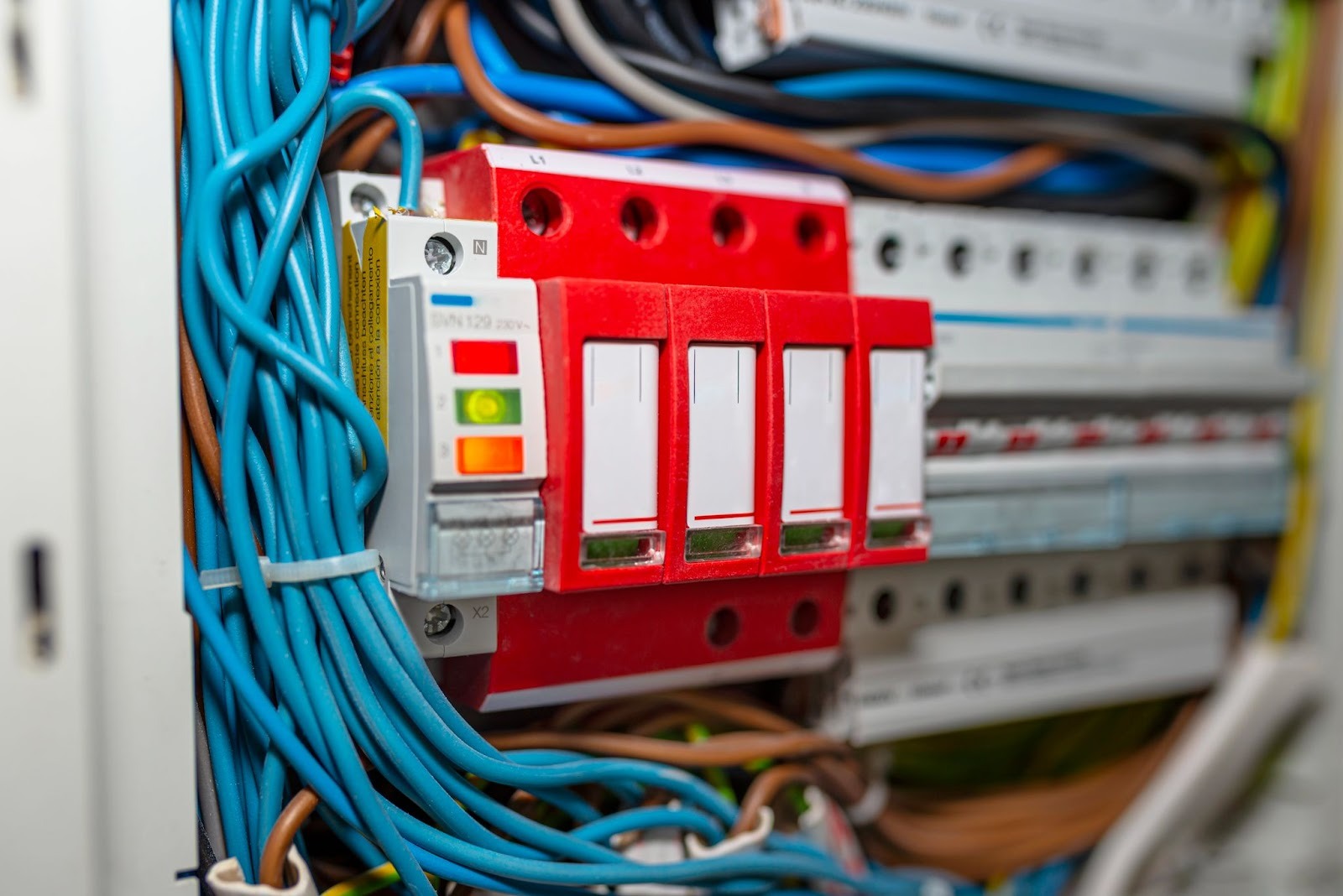
The other type of surge protection is whole-home surge protection. These systems provide surge protection, connect directly to the main electrical panel, and affect a home’s entire electrical system.
Is Surge Protection Necessary for Homes Today?
Now that you know what surge protection is and how it works, you may be wondering if whole-home surge protection is really needed, especially if you already use power strips. In short, yes.
The increased demand for power has made modern homes more susceptible to electrical damage from voltage surges than ever before. These surges happen all the time, and if you want to keep your electronics safe and reduce the risk of electrical fires, a multilevel approach to surge protection that includes both point-of-use devices and whole-home systems is absolutely necessary.
How Much Surge Protection Do I Need?
Though the answer to this question can vary depending on a wide variety of factors, including the size and age of your home, how many electronics you have, and even whether you live somewhere with high thunderstorm activity, every modern home should have a whole-home surge protection system as a baseline.
You should then supplement this system with additional point-of-use surge protectors for sensitive, high-value electronics like computers, smartphones, TVs, and gaming systems.
Even though less tech-heavy homes may be able to get away with less, the only way to guarantee that your home and electronics stay safe is by implementing both levels of surge protection.
Is Whole House Surge Protection Worth It?
Whole-house surge protection has become a standard safety feature in new homes, and if your home doesn’t have it, you have a significantly higher risk of electrical fires or damage to electronics.
Even from a cost perspective, installing a new whole-house surge protection system can be far cheaper than replacing even one damaged electronic, and even more so when dealing with the aftermath of a fire. At the end of the day, if your home does not currently have whole-house surge protection, there is really no conceivable reason as to why you wouldn’t want to install one.
Signs Your Home Needs Surge Protection
If your home does not currently have any surge protection measures, we recommend installing as soon as possible, as this is a true safety hazard. However, if you already use at least some surge protection devices or systems, there will be clues as to whether it is enough.
Some of the most obvious signs that you need additional surge protection are if you experience frequent tripped breakers, flickering lights, or have electronics that fail way sooner than they should. Warm outlets, unusual burning smells, and visible damage are also common signs that you need additional protection.
If you find any of the signs in your home, you should call an electrician to schedule an inspection and install additional surge protection measures immediately.
Contact New London Electric Today
Are you interested in making your home safer with full home surge protection? Give us a call at 610-869-7325, or contact us on our website.
Our friendly team of local electrical experts is always here to answer questions and will happily tell you more about how you can improve the safety of your home with the power of modern surge protection.
We’ll even offer you a free estimate and consultation so that you have all the information you need to make the best choice for your family and home. So, don’t push off your surge protection needs any longer. Contact New London Electric and take the first step toward a safer and more comfortable home today.